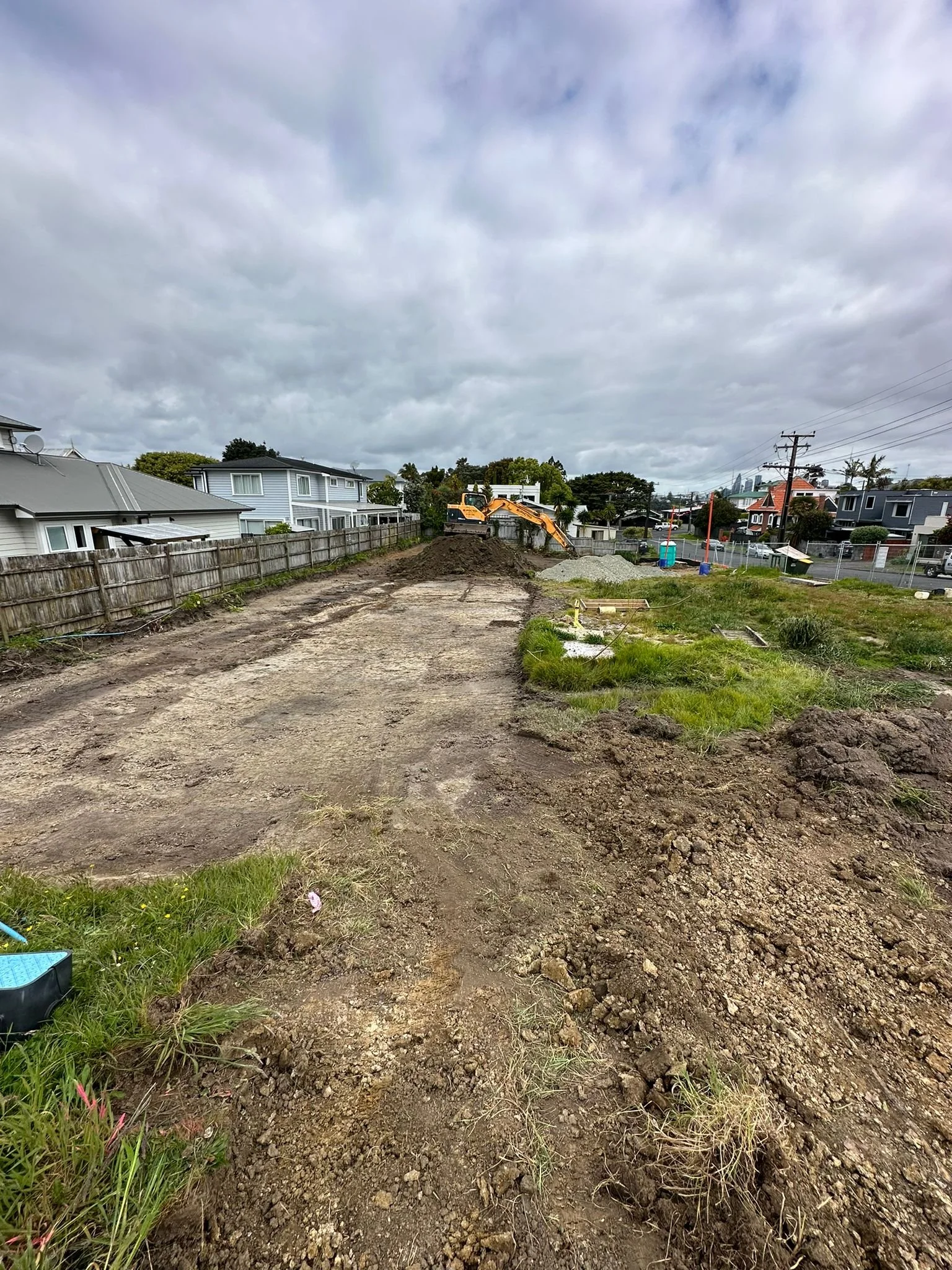
Whether you own a small residential section or a large lifestyle block, subdivision is the process of dividing land into two or more new allotments so separate records of title can be issued.
In New Zealand, subdivision is still regulated primarily under the Resource Management Act 1991 (RMA), which remains in force but has been amended through recent reform legislation. In practice, most standard subdivisions still require resource consent from the relevant council and must comply with the operative district plan or unitary plan, engineering standards, and any applicable development contributions. Some large or nationally significant projects may also have access to a separate pathway under the Fast-track Approvals Act 2024, but that is not the usual route for ordinary residential subdivision.
A licensed cadastral surveyor will usually review your existing record of title, easements, covenants, and plan rules, inspect the site, and advise whether the land can realistically be subdivided. Depending on the proposal, you may also need input from a planner, engineer, geotechnical specialist, lawyer, or other consultants. Early advice is important because councils now expect applications to address servicing, access, hazards, stormwater, wastewater, and plan-rule compliance from the outset.
Phase one
The first legal step is usually to apply for subdivision resource consent from your local council under the RMA. Your application will normally include a scheme plan, planning assessment, information required by the relevant district or unitary plan, and an assessment of environmental effects. Depending on the site and the scale of the work, supporting reports may also be needed for matters such as flooding, geotechnical stability, traffic, servicing, ecology, or contamination.
Phase two
The council will assess the application against the relevant planning rules and the RMA’s consent framework, including any effects on neighbours, infrastructure, natural hazards, and the environment. Some applications are processed on a non-notified basis, while others may be limited notified or publicly notified if the legal tests for notification are met. If consent is granted, it will usually include detailed conditions covering matters such as engineering design, service connections, access, easements, consent notices, reserves or esplanade requirements where relevant, and financial contributions or development contributions if required by the council’s rules and policies.
Phase three
After consent is granted, your surveyor prepares the land transfer survey plan for council approval under section 223 of the RMA. At the same time, detailed engineering design and any required physical works can proceed in accordance with the consent conditions. This can include new vehicle crossings, rights of way, water and wastewater connections, stormwater systems, power and telecommunications servicing, and any earthworks or retaining structures required for the new lots.
Phase four
Once the required works are completed and the consent conditions have been met or secured, your surveyor or lawyer applies to the council for certification under section 224(c) of the RMA. This certificate confirms that the section 223 plan has been approved and that the subdivision conditions have been satisfied. Before section 224(c) is issued, councils commonly require evidence of completed works, engineering sign-off, legal documents, and payment of any applicable development contributions or other fees.
After section 224(c) certification, the survey plan and associated legal documents are lodged with Land Information New Zealand (LINZ) so new records of title can be issued. At that point the subdivision is legally completed, and the new lots can usually be sold, transferred, or developed further, subject to any ongoing consent notices, easements, or covenant obligations recorded on the titles.
Because every site and council is different, the exact requirements and timeframes will vary, but a good surveyor and planning team can help you navigate the process efficiently and avoid costly delays.