Retaining walls in New Zealand are structural walls designed to hold back soil and combat the country's unique challenges with steep terrain, heavy rainfall, and seismic activity. They stabilize slopes, create flat building platforms, and manage stormwater runoff.
Understanding retaining walls requires a grasp of how these structures function and the strict regulatory environment that surrounds them in New Zealand.
1. How Retaining Walls Work
The primary challenge in retaining wall design is counteracting the force of gravity pulling the retained earth (backfill) downward and outward.
Lateral Earth Pressure: The weight of the soil exerts a horizontal, pushing force against the back of the wall. Taller walls experience exponentially more pressure.
The Surcharge Load: Any extra weight sitting on top of the retained soil (e.g., parked cars, driveways, or nearby buildings) is called a surcharge, which adds to the pressure the wall must withstand.
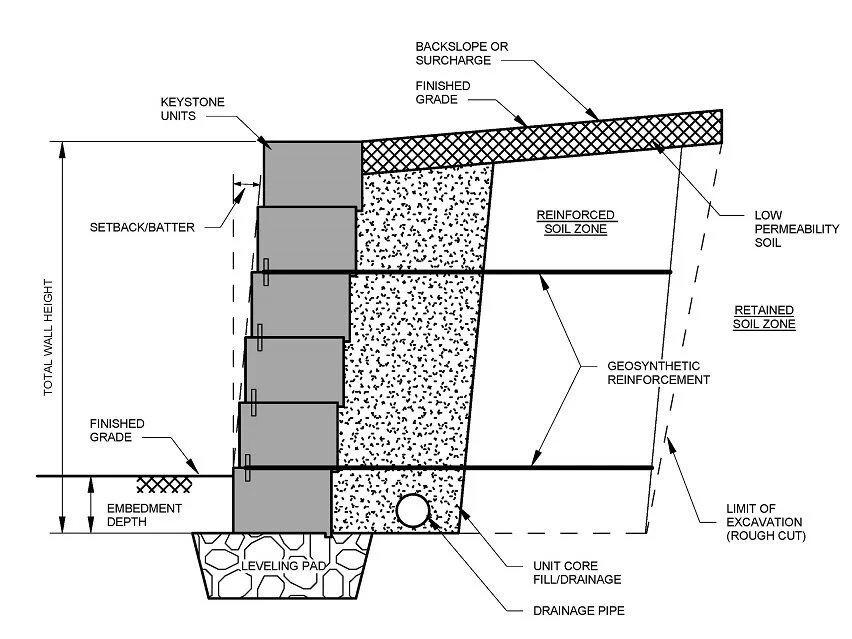
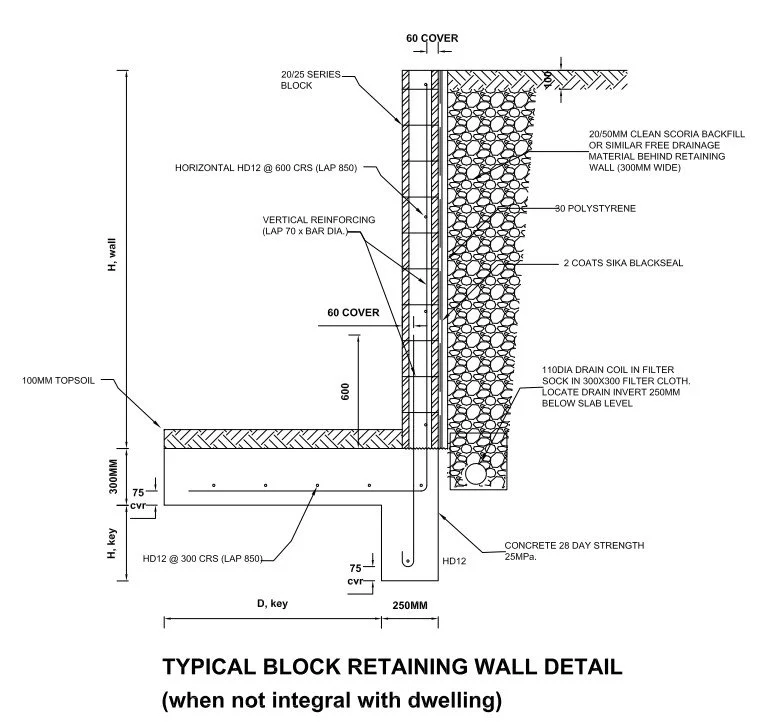
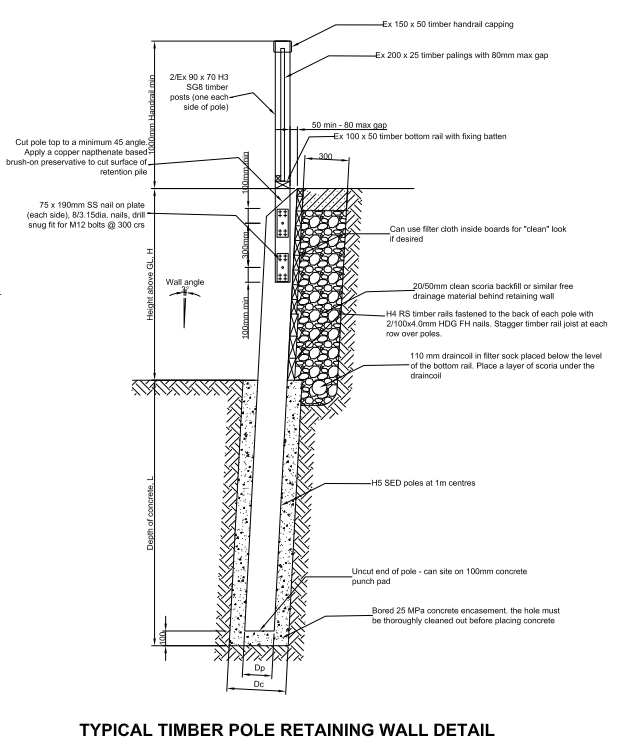
Drainage: Poor drainage is the leading cause of retaining wall failure. Water pooling behind a wall dramatically increases hydrostatic pressure, which can easily crack or topple a wall. Effective walls utilize a properly installed drainage coil, "whalers" or weep holes, and free-draining gravel (drainage metal) directly behind the wall.
2. Council Compliance & Regulations
In New Zealand, failing to get the proper approvals can lead to legal issues or forced removal of the wall. You generally need a Building Consent for your retaining wall if:
The wall is higher than 1.5 metres from the bottom of the footing to the top of the wall.
The wall supports any "surcharge" load (e.g., it is located near a driveway, patio, or a building).
It is located close to a boundary or another property, which requires geotechnical engineering to ensure it doesn't cause a slip or impact neighbouring foundations.
Note: If you are doing earthworks (digging into or building up your slope), you may also need a Resource Consent before you even touch the soil
3. Common Materials in NZ
Depending on your budget, wall height, and aesthetic preferences, you can choose from several common retaining solutions:
Timber Poles (SED Timber): Highly popular for residential landscaping and DIY. Treated wooden poles and timber boards (whalers) are embedded deep into the ground.
Concrete Blocks & Retaining Walls: Often used for higher walls or structural boundaries. Options range from interlocking retaining blocks (like Abry or Keystone) to heavy reinforced concrete walls (concrete poured over steel rebar).
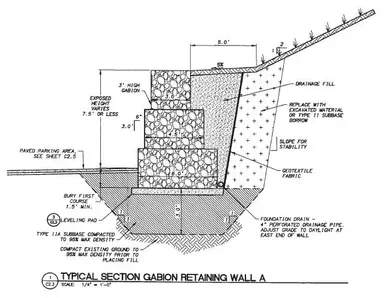
Gabion Baskets: Wire mesh baskets filled with rocks. They are incredibly heavy and naturally self-draining, making them great for erosion control and managing slopes.
4. Property Ownership & Responsibility (Between Neighbours)
If you share a retaining wall with a neighbour or plan to build on a boundary, you must understand your obligations:
Right of Support: Every property owner has a "duty of support" to their neighbour, meaning you cannot excavate or alter your land in a way that causes their property to subside or slip.
However, this right usually only applies to the land in its natural state. If you want to build a flat lawn or driveway where there wasn't one naturally, you may have to bear the cost and responsibility of building the retaining wall yourself. It is highly recommended to consult a property lawyer if there is a boundary dispute.